
Custom business software in Prato, built around your cycle
Job orders, outsourced processing, warehouse, bills of materials. We build the system that follows the way you produce, instead of asking you to change the way you produce to fit a package.

When it pays
Custom is not for everyone,
and that should be said.
If your company does what a thousand other companies do, an off-the-shelf system costs less and works perfectly well. Buying it is the right call and we have no problem saying so.
Custom software starts to pay when your process is your advantage: how you manage subcontractors, how you calculate a quote, how you keep track of batches leaving and coming back. Those are the parts no package covers, and the reason three spreadsheets exist that nobody dares touch.
So the real question is not custom versus off-the-shelf. It is which parts to buy and which to build — and in most projects we run, the answer is a mix.
What we cover
The parts companies
here ask for.
It nearly always starts with one and grows, rather than replacing everything at once.
Job orders and production progress
The status of every batch, timings, materials used, who worked on it. Data goes in where it is generated — from a phone on the floor — instead of being reconstructed on Friday.
Outsourced work and subcontractors
What goes out, what comes back, yields and waste. This is where general-purpose packages stop and shared files begin.
Warehouse and bills of materials
Stock figures matching reality, materials committed per order, bills of materials living in the system rather than in a file with ten versions.
Quotes and price lists
Calculations that today take hours and depend on knowledge held by one person, turned into a procedure anyone can follow without getting it wrong.
How it works
One working piece first,
then the rest.
The risk in these projects is not technical: it is reaching go-live a year later and finding the company has moved on.
We start where it hurts most
The first release covers one complete process and goes live early. It exists to test the assumptions in the field, while correcting them is still cheap.
Existing data comes with you
Records, history, documents: migration is part of the project, not your problem the day before the switch.
The people who will use it see it first
We involve the people who will actually work with it. A system staff work around is money badly spent, and that happens when software is designed only with management.
No lock-in
Code, database and documentation are yours. If you change supplier one day, the system keeps running: it is the question to ask everyone you are considering.
Real work
Systems running
every day.
Agentscout
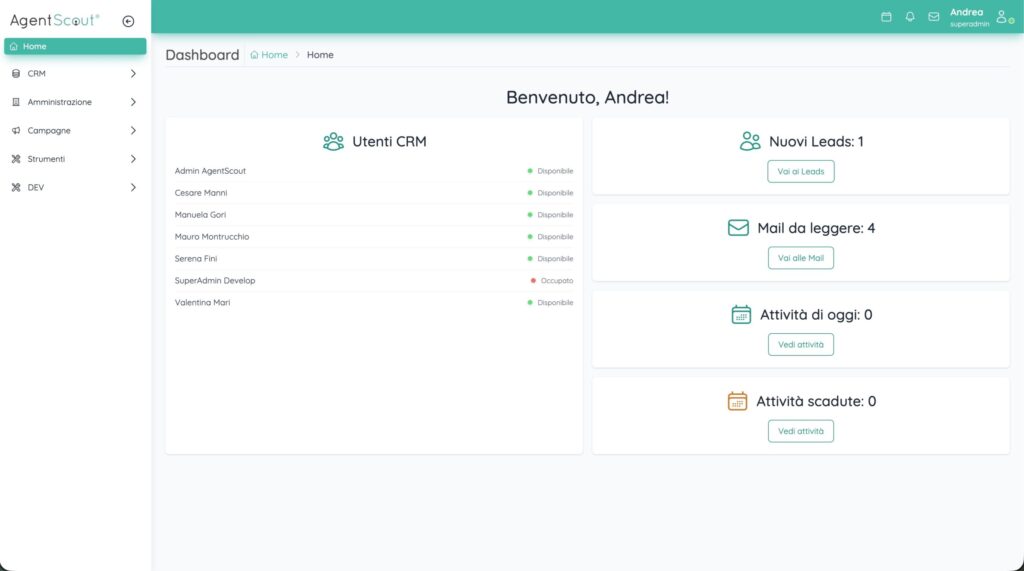
Agentscout is a software platform for managing sales networks. We handled development on a Laravel and Vue.js stack, from the architecture to the back end and the interface the network works in every day.
B2B management system
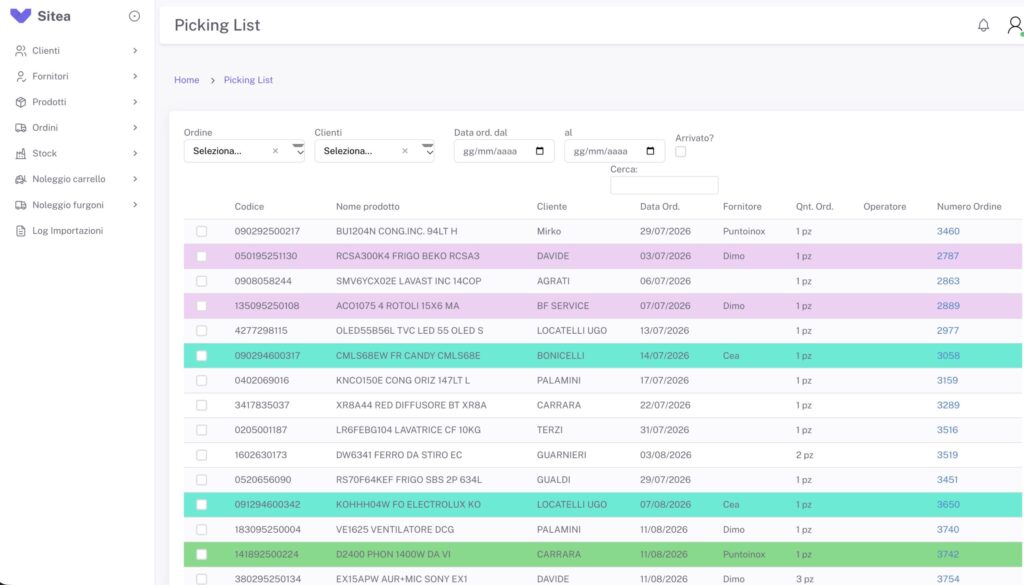
Sitea wanted a management system that followed how the company actually works with its business customers. We built it to measure in Laravel and Vue.js, shaping the features around the processes already in use: the people using it recognise the steps, instead of learning new ones.
BMup
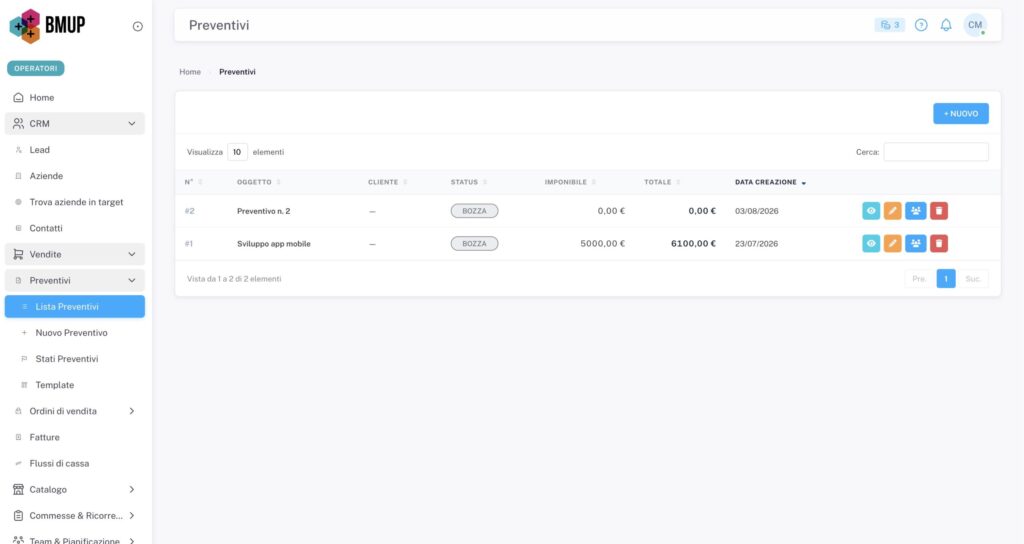
BMup is the management platform we build and maintain in house, in Laravel and Vue.js. It works as a shared foundation — records, processes, documents and reporting — on which we build the version each organisation needs: we have shaped it around membership management, professional training and the internal processes of a foundation. You start from a proven structure rather than a blank page.
Dynamo Camp platform 2.0
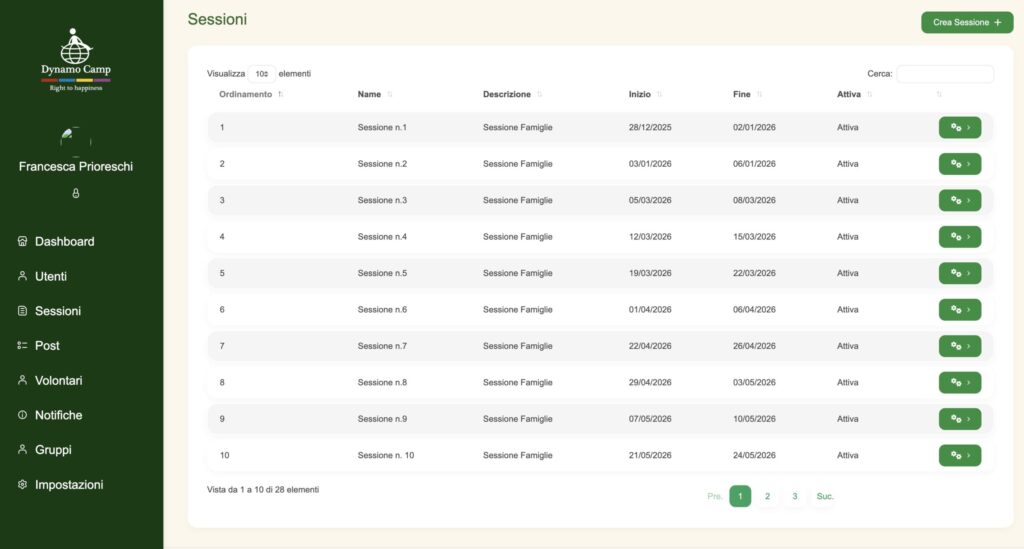
Fondazione Dynamo Camp needed a platform that followed its own internal processes — those of a foundation, not of a company. We built Dynamo Camp 2.0 on BMup, in Laravel and Vue.js, shaping the ERP and CRM features around the foundation's workflows instead of asking the foundation to adapt to the software.
Finenergy
Managing photovoltaic plants on behalf of others means seeing how they perform as it happens. Finenergy is the SaaS we built for it: a Laravel backend, a Vue.js frontend and a dedicated server, with energy data from every plant gathered in a single interface and available in real time.
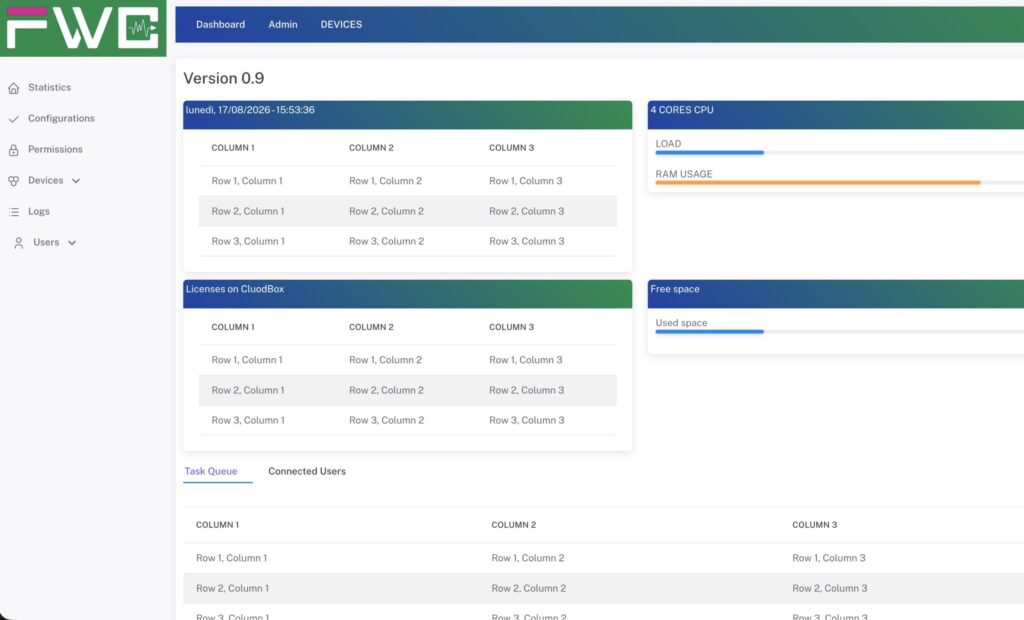
MyManager
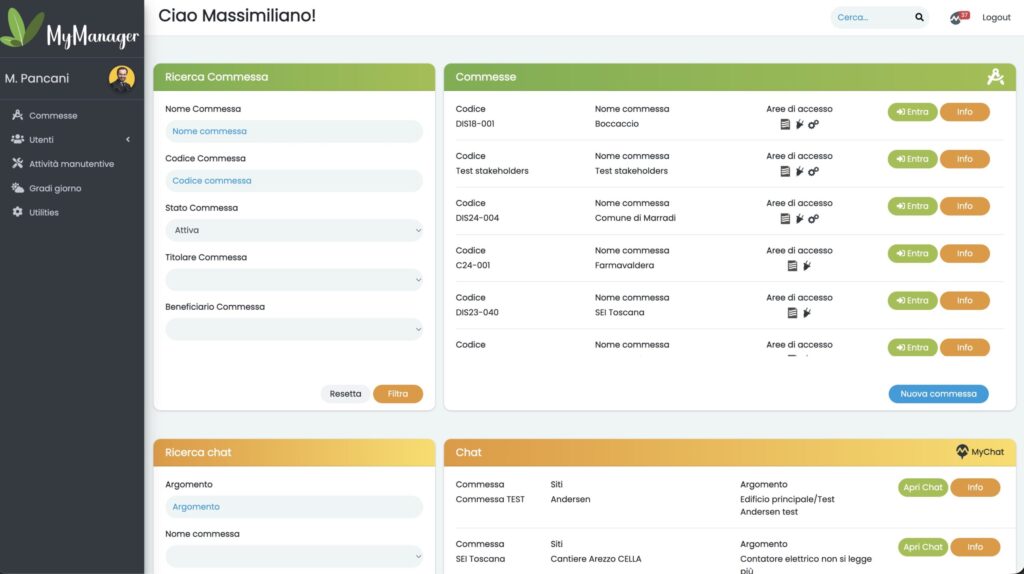
MyManager is an IoT platform for monitoring the energy profiles of public bodies and companies. It gathers consumption data from the various metering points and brings it into a single interface, so whoever has to make the call finds the full picture already assembled.
QR Marradi
Palazzuolando wanted the area's walking routes to tell their own story on the spot. We built a WordPress platform with custom design that generates and prints personalised QR codes: walkers scan the code and reach the multimedia content, which the association uploads from a phone without going near a computer.
Reaction platform
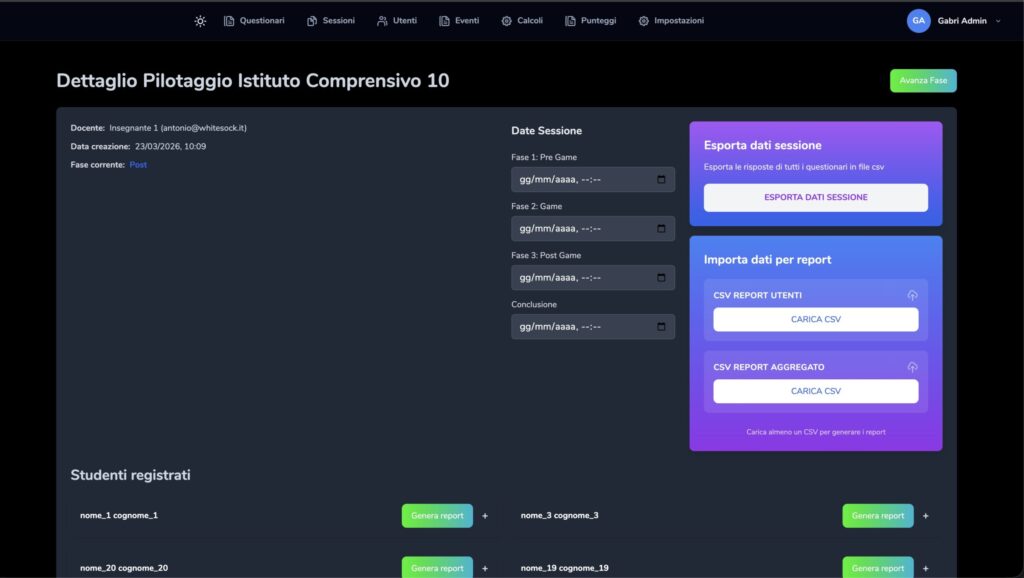
Whitesock wanted a platform they owned, not a subscription. We built Reaction in Laravel and Vue.js and handed it over with the source code and a handover document, so the company can keep developing it with whichever team it prefers — including without us.
Where we are
The Prato office.
Viale Montegrappa 306
59100 Prato (PO)
For this kind of project the first meeting on your premises is worth double: real processes show up in the paper forms still in use, not in slides.
FAQ
Before you ask.
It depends how many processes it covers, which is why we suggest starting with one. The first release costs a fraction of a full project and tells you, with your own data, whether to continue. The quote is fixed, with the scope written down.
Almost never. In most cases it is better to keep it for accounting and administration and build what it does not cover around it, connected. Replacing everything is the most expensive and riskiest route.
The first piece in production is weeks or a few months, not years. If someone proposes a year before the first release, ask what happens if something changes in the company halfway through.
The same people who built it, under a support agreement. There is no handover to a desk that does not know the project.
A situation we deal with often: we analyse the existing code and decide what to keep and what to rebuild, with the answer in writing before starting. → Software Rescue
Which spreadsheet is the one nobody is allowed to touch?
That is usually where the process no package covers actually lives. Show us that one: an hour is enough to tell whether it justifies a project or something much smaller.

ISO 9001:2015 certified
Written requirements, tracked changes, a defined path for every issue.

Benefit Corporation
Goals written into the bylaws, an impact report every year.
Listed on MePA
The Italian public sector e-procurement marketplace.


